Guyana’s greatest treasure is not gold or oil — it is a nation of six races living, cooking, praying and celebrating side by side.
Six races, one nation. The Indigenous peoples were here first — nine nations with thousands of years of history. Africans arrived in chains and built the coast’s great sea defences and villages; East Indians came as indentured labourers and stayed to shape the nation’s fields and festivals; the Chinese and Portuguese followed the same ships into shops and trades; and Europeans left their languages, laws and churches. Together they became something new: Guyanese.
Faiths side by side. In Georgetown a mosque, a mandir and a cathedral share the same streets. Christianity, Hinduism and Islam live closer here than almost anywhere — Diwali’s lights, Eid’s feasts, Christmas masqueraders and Phagwah’s colours are all national celebrations, enjoyed by everyone.
Traditions. Tassa drums at weddings, chowtal singing in spring, queh-queh before African weddings, masquerade bands flouncing at Christmas, cricket on every green — and the world’s warmest “gyaff” (a good long chat) over a bowl of pepperpot or seven-curry.
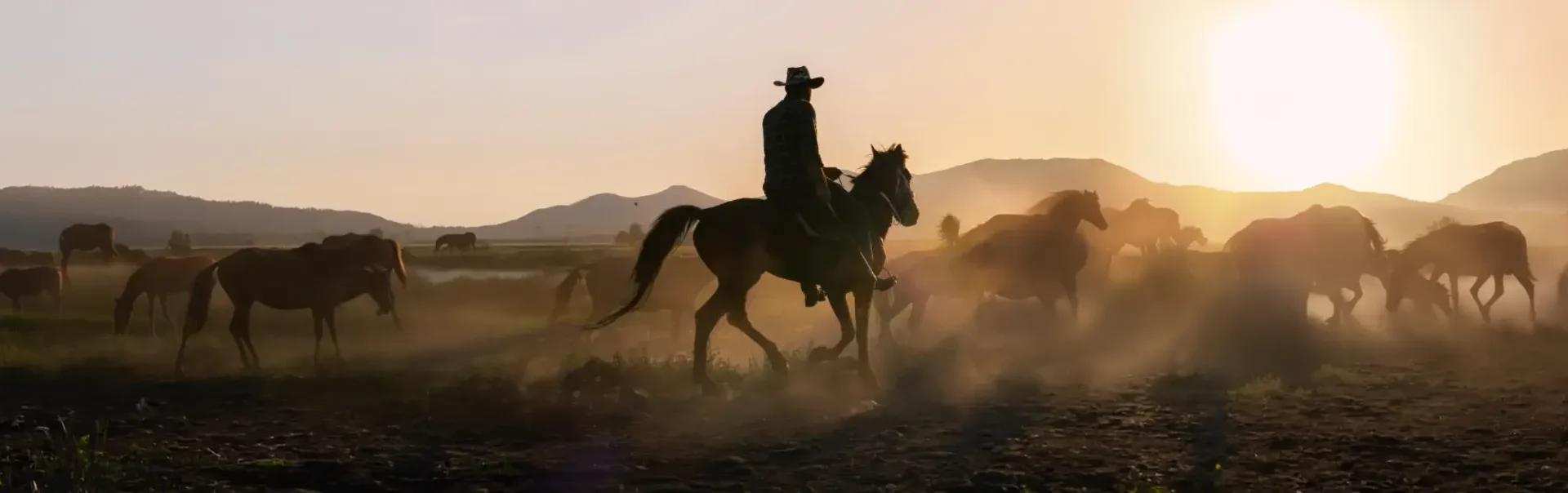
The welcome. Travellers remember Guyana’s people longer than its waterfalls. Whether it’s a vaquero in the Rupununi, a market vendor at Stabroek or a village elder in the forest, visitors arrive as strangers and leave as family.